
The Right to Linger
thesis statement:
Privatization has shaped the character of urban space, often producing more formal and restrained social environments in the street, the building, and the thresholds between them. This thesis explores how expanding architectural thresholds into inhabitable, spatially layered zones can create new opportunities for interaction and public life. Through strategies such as graduated visibility, enclosure, and integrated dwelling infrastructure, extended thresholds can support a broader range of everyday encounters and strengthen connections between users.
Threshold Design as Resistance to Urban Privatization
+ encounter + public realm activation + design as enablement + spaces as negotiation + street-level engagement + place-specificity + fourth places
on-going thesis progress as of December 2025
- Professor Rob Trumbour - Fall 2025
- programs used: Rhino3D, Photoshop, Illustrator
U.S. cities public realm timeline
* 1960s zoning incentive for privately-owned public space (POPS)
0-2 ft thresholds

spontaneous
interconnected
human-scale
lingering
porous
TRANSITIONAL
COLD
UNENGAGED
PLACELESS
PRIVATIZED
TENSE
adaptive
enabling
inhabitable
reactivated
inviting
pre-1850s
1920s-1960s
modernist movement
1980s-present
contemporary privatization
future
expanded thresholds revitalize the public realm
6-10 ft thresholds
8-20 ft thresholds
*
traditional threshold typologies

user autonomy: personal chair brought out
spectrum of interaction through different spatial levels
the stoop

shelter as a favorable condition
spectrum of inhabitation through varying levels of visibility
fixed seating invites lounging
arcaded plazas
POPS (privately-owned public space) Analysis - NYC
well-maintained
multi-functional
open 24/7
owner compliance
good lighting
inviting
spatially separate from street
trees and plantings
shelter provided
well-signed + easy to find
water feature

successful
enclosed
open
*
unsuccessful
fencing
hostile elements
blocked access points
closed often
unengaging
feels privatized
security interrupts use
insufficient lighting
hidden
lacking seating
poor maintenance
Greenacre (pocket) Park, NYC
example of a successful POPS
*
_edited.jpg)
water feature
graduated shelter
edge formalized
use of natural materials
level shift down towards fountain
level shift up from street
_edited.jpg)
unfixed seating promotes user autonomy
greenery creates privacy
level change creates intimate space
formalized shelter through overhang
graduated visibility
design tactics for lingering


typical threshold
extended threshold
varying spatial levels, visibility, and enclosure
spectrum of inhabitation
site specific design
+
street
building
& the mandatory:
+signage
+comfortable microclimate
design tactics expanded - catalogue

level changes
graduated shelter
graduated visibility
fixed seating
unfixed seating
formalized edge
local +natural materials
water feature
prospect + refuge
scope + boundaries - hypothetical site
typical scope

boundaries:
plot
sidewalk
facade
proposed site

boundaries:
plot
sidewalk

hard edge of facade softened
nook produced
varying visibility with different height difference
edge formalized with trees + overhang + level change
level change as separation from street
varying degrees of shelter with trees + overhang
site
Boston's West End

site
negative space between street and building

*
*
*
*
negative space typologies


typ 1 : corner threshold
typ 2 : recessed threshold
-pros: large open site, well located, local landmark, abundant existing greenery
-cons: exposed to street, current residential program
-pros: human scale, large area
-cons: tucked into quiet street, bordered by two unpleasant sites, current residential program
typ 3 : linear threshold
-pros: maximized edges, well located, current commercial program
-cons: bordered by tall buildings
typ 4 : anomaly
-pros: existing natural node, close to park
-cons: tucked into quiet street, bordered by tall buildings, current residential program

typology 1: corner threshold
typ 1: design tests

reclaim archway for public
nook created
edge formalized
abundant seating along proposed curve

rework internal section of archway
maintain hierarchy of archway
create nooks with vegetation
edge formalized successfully creates separation from street
existing
intervened
typ 1: intervention in plan

rework internal section of archway
create nooks with vegetation
edge formalized successfully creates separation from street
design tactics that apply :
graduated visibility
formalized edge
fixed seating
unfixed seating
prospect + refuge
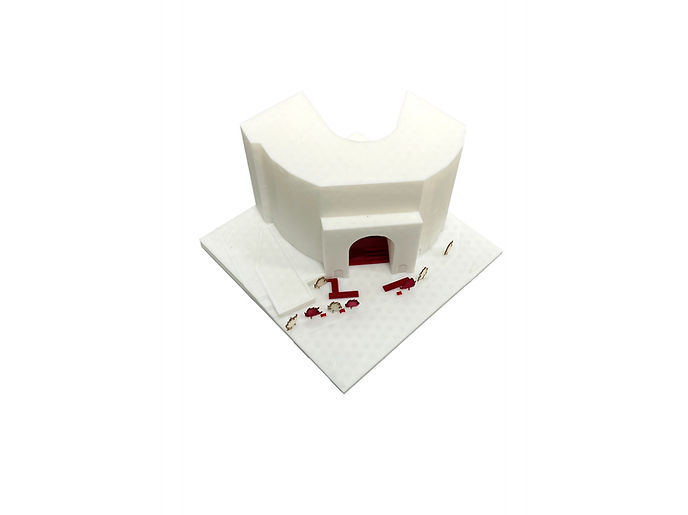

intervention in model
existing pedestrian experience
purely transitional

proposed pedestrian experience
spectrum of inhabitation

"ideal" benches

test 1: abundant space for seating and gathering
test 2: using greenery for privacy

test 3: facilitates gathering in groups

riveirap@wit.edu